
By Joel Wittnebel/Active Senior’s Digest
They had been married for more than 50 years. They were prepared for the inevitable and they had everything in place – or so they thought.
When Ina Rowsom lost her husband earlier this year, she thought everything was in place to deal with his estate following that tragic day.
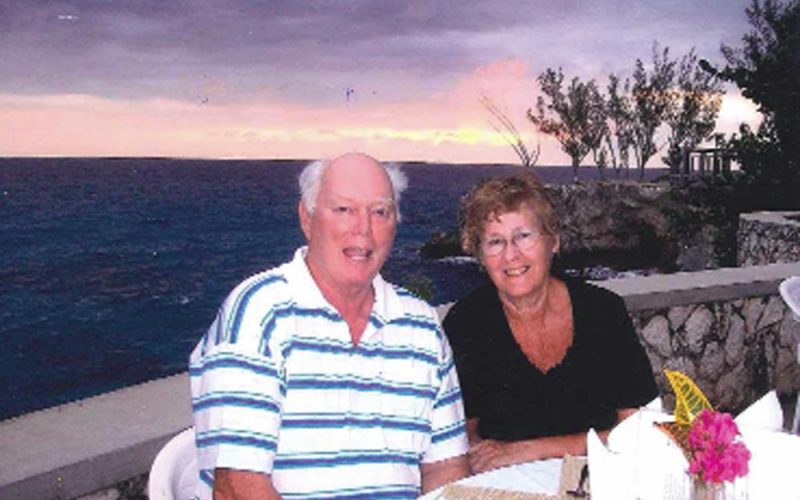
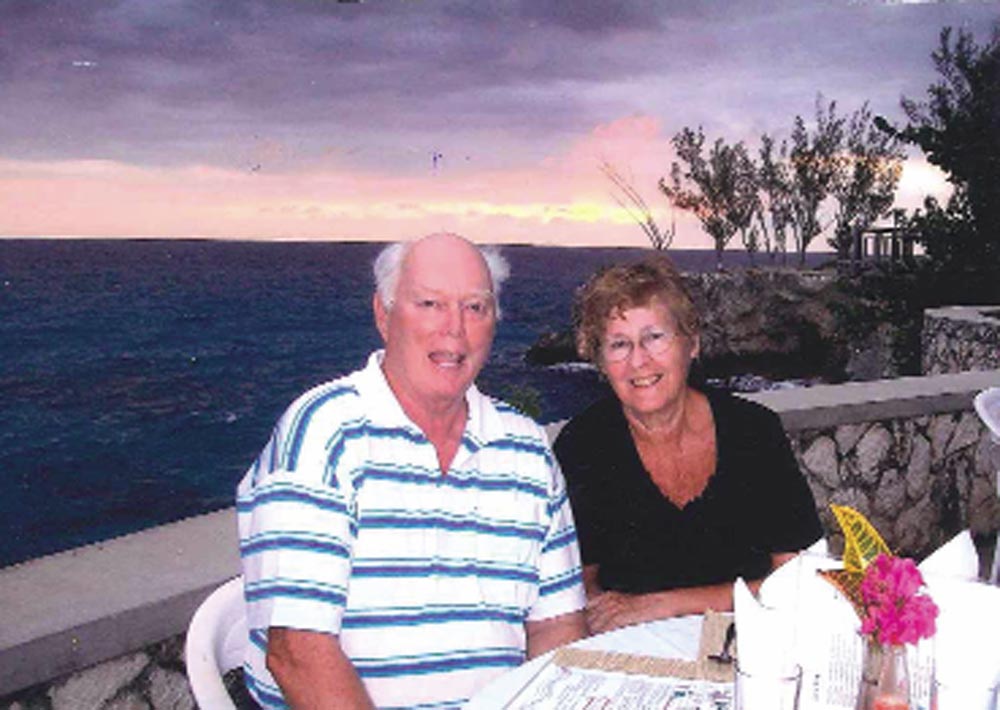
The two had been on vacation in Jamaica when he passed and, after returning home and repatriating his body, Rowsom says all the documentation for his will and estate was in place.
“Everything was the way it was supposed to be,” she says.
However, after Rowsom and her daughter visited the bank to switch the account from her husband’s name to hers, there were unexpected troubles. According to Rowsom, there was no right of survivorship on the account, and the account number would need to be switched in order for her to get access to it.
Meanwhile, bills were expected to come from that account and cheques written from that account were soon going to bounce with the account in limbo.
“I was so confused,” Rowsom says. “Cheques were all over the place and they couldn’t be paid.”
According to Christine Van Cauwenberghe, assistant vice-president of tax and estate planning with the Investor’s Group, the banking snag must have been an administrative issue for the bank, as survivorship is usually automatic when it comes to bank accounts.
“It sounds like it may not even have been avoidable because that’s the bank’s process when you go from joint to individual,” she says.
After weeks of wrangling, the account number was kept the same and Rowsom was able to obtain the proper access and change it to her name. Despite that, she says that at such a tragic time, the bank should have shown more understanding for her situation.
“You’re in no frame of mind to cope with that. There’s already so much to cope with,” she says, noting the bank could have let them know about the issue prior to her husband’s death so it could have been resolved earlier.
“If it was so important to them, why didn’t they let me know or my husband know?” she says. “I mean we did four bank statements a month. Surely it could have been in one of those.”
While Rowsom’s story may be a cautionary tale regarding being prepared for the death of a partner, Van Cauwenberghe says these issues are sometimes unavoidable, and people should be prepared for that eventuality.
“They need to kind of brace themselves mentally because, to a certain degree, there will likely be some administrative hassle that you can’t plan around,” she says. “That’s just part of the deal, quite frankly.”
And while events like these are a very emotional and difficult time for anyone, having that little bit of preparedness can go a long way.
“I think to a certain degree if you kind of know, look, there’s going to be a little bit of hassle factor, just grin and bear it, it will be a little less of a surprise when it happens,” she says.
Rowsom says she is thankful for the help of her daughter during that time, as it would have been too much for her to handle alone. That is the main reason Van Cauwenberghe says having the majority of the processes already in place with the estate is crucial.
“We do suggest that people do sit down with their financial planner, their financial institution and ask them in advance what needs to be done in order to make the distribution of their estate simple,” she says. “Obviously, you want to plan as much as you can.”