

By Joel Wittnebel/Active Senior’s Digest
Anti-psychotic medications have generated international debate around their usage and side effects for years; now, a new report has brought that discussion to Ontario.
From Health Quality Ontario, the report looks into the usage of anti-psychotic medications in approximately 604 long-term care homes across the province and made a surprising discovery.
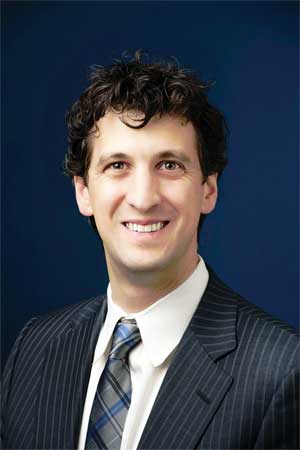
“What we found was unbelievable variation,” says Dr. Joshua Tepper, one of the doctors involved in the study.
Tepper explains that overall, the usage of these drugs has declined over the course of the study, between 2010 and 2013, but while some homes were using the drugs copiously, others were not using them at all.
While Tepper says for homes that specialize in the care of patients with dementia-induced psychosis diagnoses, the numbers aren’t surprising; but for others, it was found certain homes were using the drugs in two-thirds of cases. In the widest disparity, some homes used these medications in 60 per cent of cases.
The study looked at between 10,000 and 11,000 patients with a psychosis diagnosis and almost half of them were on anti-psychotic medications, which is typical, he says.
“We know that some of the explanation is because of the types of patients or clients they are looking after,” Tepper says.
However, of the almost 40,000 patients with a dementia diagnosis, but none of psychosis, almost 27 per cent of them were on these medications.
“Even taking that into account, we were struck by the degree of variant. That’s interesting because the role of these medications is a little bit less clear and there are risks to these medications,” Tepper says.
Drowsiness, unsteadiness, and a generally withdrawn mood characterize those on these medications.
While the variant exists, Tepper says it doesn’t necessarily point to a bad situation, adding the report isn’t meant to point the finger at certain homes for using the drugs more than others.
“The goal of this is not to blame or shame. The goal of this is to have thoughtful, educational conversations. These reports should be teachable moments and reflective opportunities,” he says.
With a disease like dementia, which is constantly shifting and changing and differs from patient to patient, Tepper says there should be a constant review with patients and families to be sure these medications are the best course of action.
“You want to be constantly taking a look at the medication and weighing the benefits they may be seeing in the use of the medication against the potential risks,” Tepper says.
He suggests that other treatments have been successful in helping patients to reduce agitation and confusion, including changing the physical structure of their environment to be more organized, planning their schedules and methods of interaction that can help in cases to better manage situations.
“You want to treat it,” Tepper says. “But you want to be constantly weighing the pros and cons of the various treatment options that you have, pharmaceutical or non-pharmaceutical.”
These discussions should include the patients and their family members to be sure the best option and course of action can be determined.
Over the course of the study, the use of the medications dropped from 32.1 per cent in 2010, to 28.8 per cent in 2013.
However, Tepper says there really is no magic number when it comes to these medications.
“We don’t know what’s exactly wrong or right, there’s not one number we should be aiming for. The point is that clearly, there is a wide degree of variation and that suggests that people are thinking about this differently and we should probably just make sure that people are having those very careful, ongoing conversations.”


