By Graeme McNaughton/Active Senior’s Digest
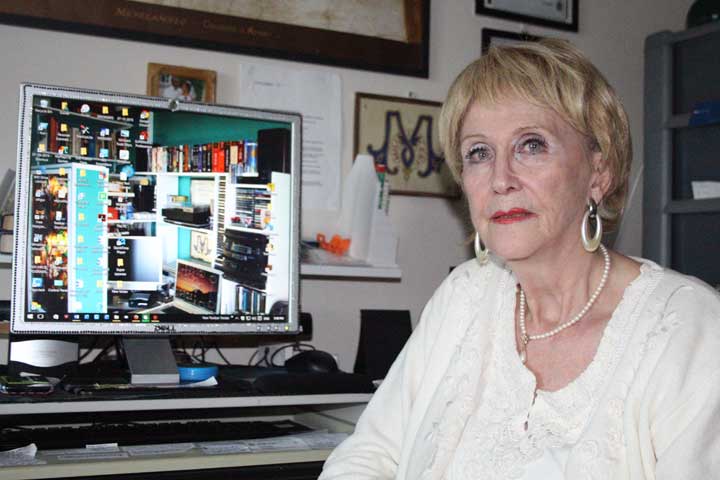
Millicent Todd was just looking to make a few extra dollars. Now, she owes the bank thousands of dollars on her credit card, and she says online scammers are to blame.
Everything started this past July when Todd, who is retired and lives by herself in a senior’s apartment in Oshawa, Ontario, was checking her email and saw a story that looked interesting.
“There was one (story) there and it was really fascinating. There was a lady there, she was probably in her 30s, and she had two young children and her husband, and (the story) was showing off this brand new car they had bought and also now she was saying they were going to be buying a new house,” Todd tells Active Senior’s Digest. “And it was all because she doesn’t have to go out to work now, she can look after the kids at home. But she’s also got a job now where she’s working on the Internet, and it’s a good job and she’s making loads of money.
“And I thought to myself, well why can’t I do that?”
The site, based out of the Mediterranean country of Malta, appeared to be a platform to make money off the stock market.
Todd says she was looking to make some extra money to help with a book she is currently working on, and that with a little training, she should be able to do just that with this site.
“I asked if they could train me, and they said ‘Oh yes, we can help you,’” she says, adding that based on the number she called them at, she assumed they were based in Great Britain. “So I felt more comfortable. It turned out they weren’t. They were lying to me.”
Todd says this was not the first time that the people on this site lied to her.
When she was about to start her training with this online company, they said that they would need access to her credit card.
“I thought, uh oh, I’ve never done that before. But it’s the only way they could do it and follow you through on these trades,” she says. “They said it was because they give you your money back through the card as well. It turned out that on the first (trade), that they did it. That’s how it came across.”
So Todd felt more comfortable, and says she told the company she would authorize them to take $50 for that first trade, and would check back later to see how it did.
However, when Todd went online to see how much money she had made, she instead found that money had been taken from credit card. And it was a lot more than just $50.
According to Todd’s bank statement, there were five charges on her credit card on July 14, ranging between $327.82 and $2,950.32. The next day, two more charges were put on the card. When all was said and done, the company had charged just under $13,800 on her credit card.
“I opened up my bank account, and I nearly died,” Todd says. “They took it out as fast as they could.”
What you can do
Scams like these, sadly, are far too common. According to a report from the Federal, Provincial and Territorial Ministers Responsible for Seniors Forum, fraud is the number one crime against seniors in Canada. And with more of the world moving online, the crime is sure to follow.
The report details the most common types of fraud seniors may face, including identity theft, bank and credit card fraud, door-to-door scams and, like what Todd faced, online scams.
“There are many online scams and new ones appear all the time. Some appear to be asking for your help; some say there is a problem with your bank account or tax return,” the report reads. “Scam e-mails are often easy to spot because of spelling and other mistakes, but some can look like they are coming from a person or organization you know. If you are not sure about an e-mail for example, if it asks you respond with personal or financial information or to go to another website and enter information there – call to check, and do not respond to the e-mail.”
The report also details several ways seniors can keep themselves safe from being potential victims of fraud, such as keeping personal documents in a secure place, never telling anyone your PIN number or passwords, don’t click on pop-up windows or respond to emails from people you don’t know, don’t give out your credit card or banking information to someone you don’t know, and to be suspicious if someone you don’t know asks you to send them money.