
 By Graeme McNaughton/Active Senior’s Digest
He is more than just the face on the five dollar bill.
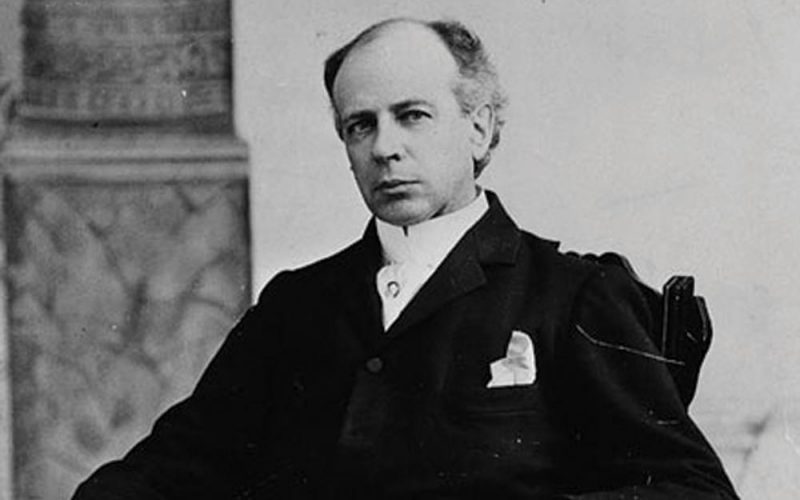
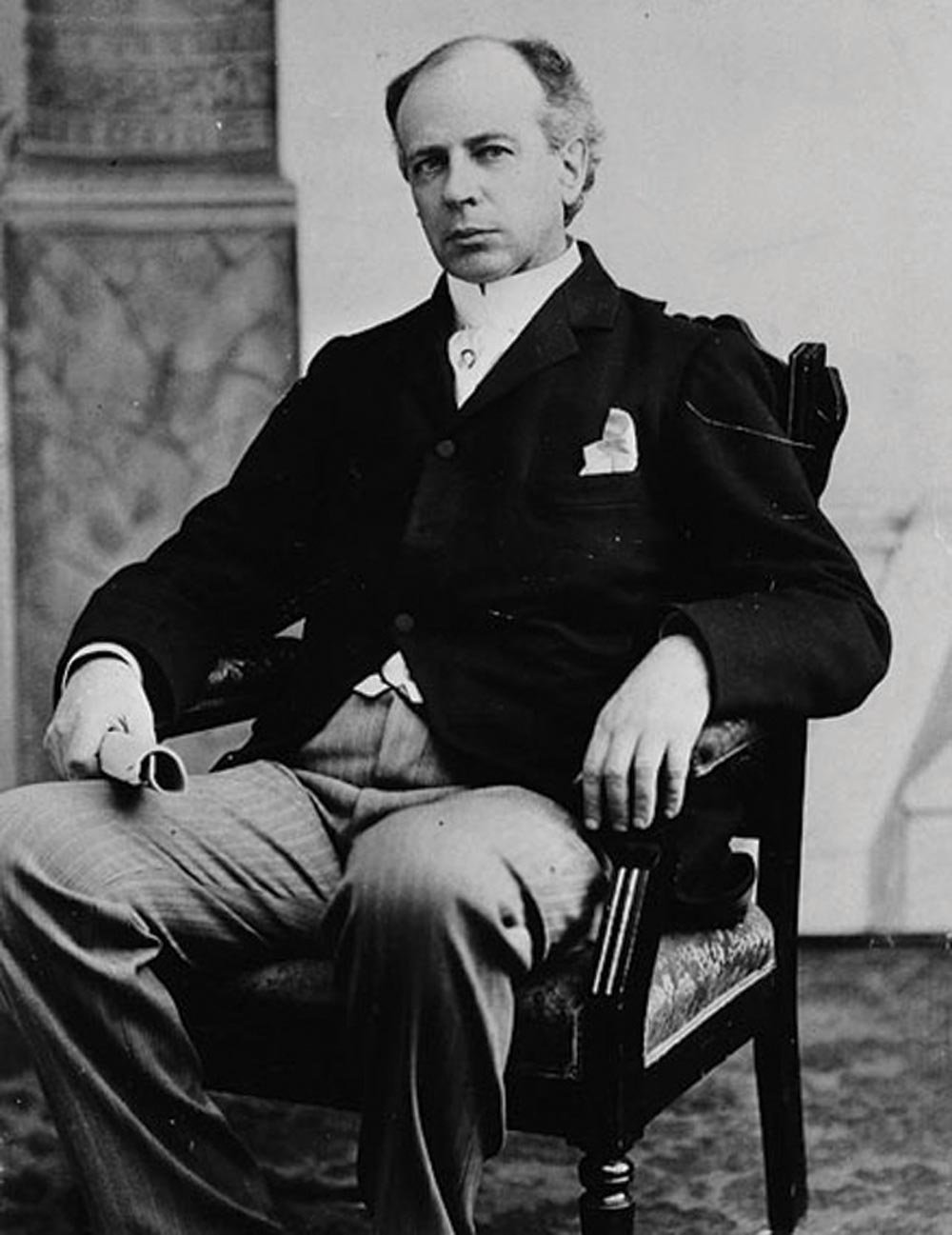
Born in 1841, Sir Wilfrid Laurier was the country’s first francophone prime minister and helped a young Canada find its way in the early days post-Confederation.
And in his heyday, the man who entered federal politics as the Member of Parliament for the riding of Quebec East, was widely respected among his colleagues.
“He was widely admired. He was very articulate, eloquent and elegant, a man of considerable honesty in a profession where honesty was a rare quality,” says Stephen Azzi, a professor in the Department of Political Science at Ottawa’s Carleton University.
“He was a man largely without enemies – he was very much well liked, including by people on the other side of the political aisle.”
First elected to parliament in 1874, Laurier would go on to made the leader of the Liberal Party in 1887. While he would fail to gain the position of prime minister in his first election as leader, losing to Sir John A. Macdonald’s Conservative Party in 1891, he would finally prove successful the next time around, winning in 1896 against the Conservatives now under Sir Charles Tupper.
When Laurier finally won the position of prime minister, it was one he would not give up for quite some time, sitting as Canada’s leader for 15 years – the longest uninterrupted tenure to this day.
And in those 15 years, Laurier was able to accomplish a lot that still leaves an indent on the Canada we know today.
“As far as specific accomplishments, probably his main priority was to make sure that the English and French got along. He managed that relationship very well for a decade and a half,” Azzi says.
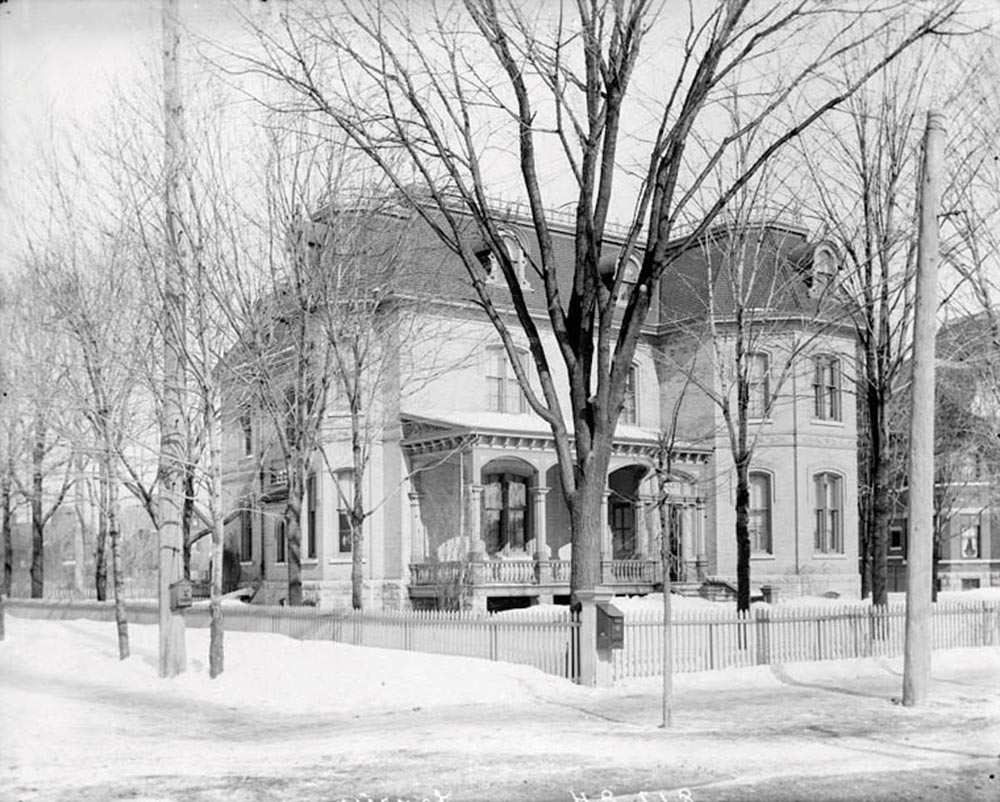
“His government was responsible for the settling of the west and the growth of the wheat economy in Canada. That was a major driver of the Canadian economy. (Sir John A) McDonald had talked about settling the west and had created the Homestead Act, but it was actually Laurier’s government who recruited the immigrants and saw that they were equipped to set up on the Canadian prairies and be in farming.”
Azzi says that the young, newly confederated country was still lost in the woods, trying to figure out exactly what it was supposed to be, and Laurier helped guide it towards today’s vision of Canada.
“The country was still relatively new when Laurier becomes prime minister. Confederation was in 1867, and Laurier becomes prime minister in 1896. The country is less than 30 years old and, in those days, we were still finding our way,” he says.
“It’s not clear what the relationship will be, and there are a large number of English Canadians who thought the country should be British, meaning the francophones would have to eventually assimilate. There isn’t a large separatist movement in Quebec, but there are a large number of francophones who want autonomy within Canada. And in all this, Laurier’s job is to see that they can hang together as a country.”
VII
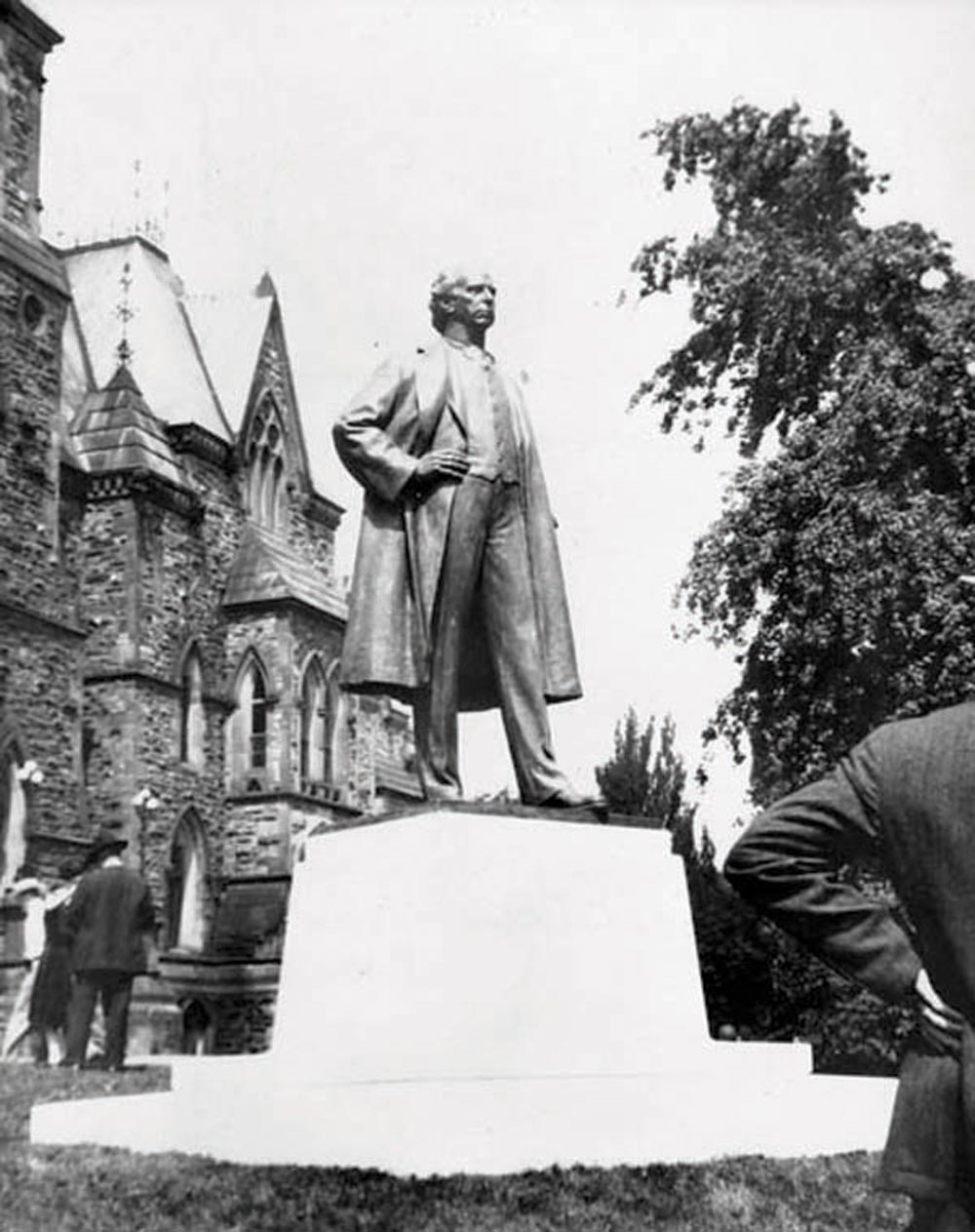
Now, 175 years since his birth, Azzi says Laurier’s influence is still felt in Canadian politics to this day.
“I think the single most important (influence) is a particular approach to politics – an approach to politics that’s quite different from the American approach, quite different from the English or French. The Canadian prime minister is a broker who tries to find peace or find accommodation among the diverse elements of the country,” he says.
“For me, it’s telling that when the Liberals hold a convention, the prime minister they look back to is Laurier. (Pierre) Trudeau was a more divisive figure, MacKenzie King was not a particularly likeable man, but Laurier seemed to have it all.”
However, while Azzi voices his support for Laurier, he laments the fact that many Canadians do not know a lot about the man.
“He isn’t very remembered at all. We seem to do a bad job of remembering our history. He may be on the five dollar bill, but I bet if you ask most Canadians, they wouldn’t know who he is,” he says.
“It would be nice if the CBC did a miniseries or a documentary series on Laurier.”